

*From the archives* written November 2022
Forces of anti-blackness have led to black hair textures and styles being the most heavily policed hair type. Policies against exclusively black hairstyles in schools and the lack of black hairstylist representation in the fashion industry, particularly, stem from the relationship between Black identity and Eurocentrism. Although the Equality Act 2010 protects against racial discrimination in the U.K. when it comes to discrimination against hair textures and styles which are inherent to an individual’s race i.e. afros, dreadlocks and braids, there is no legal protection and therefore it’s almost impossible to enforce.
With Black youth all over the world being one of the most heavily targeted with unfair and anti-black hair guidelines, it’s no surprise that they are no longer standing for it. Over the past 7 years, Leia Wasike has practised her craft of creative black hairstyling, proving the diversity and multiformity of black hair through her work.
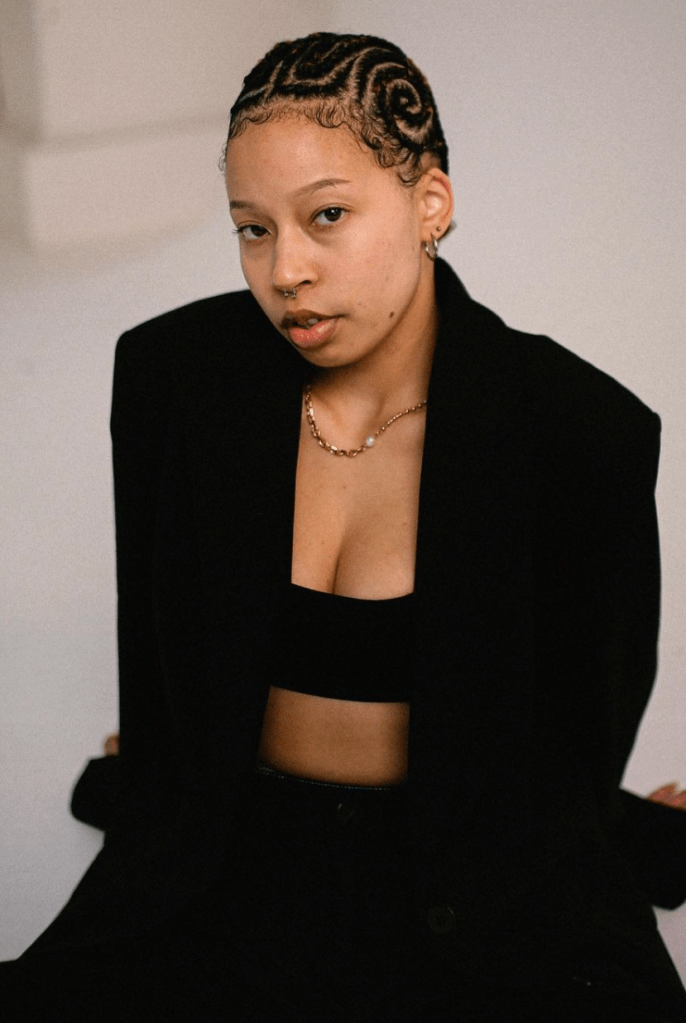
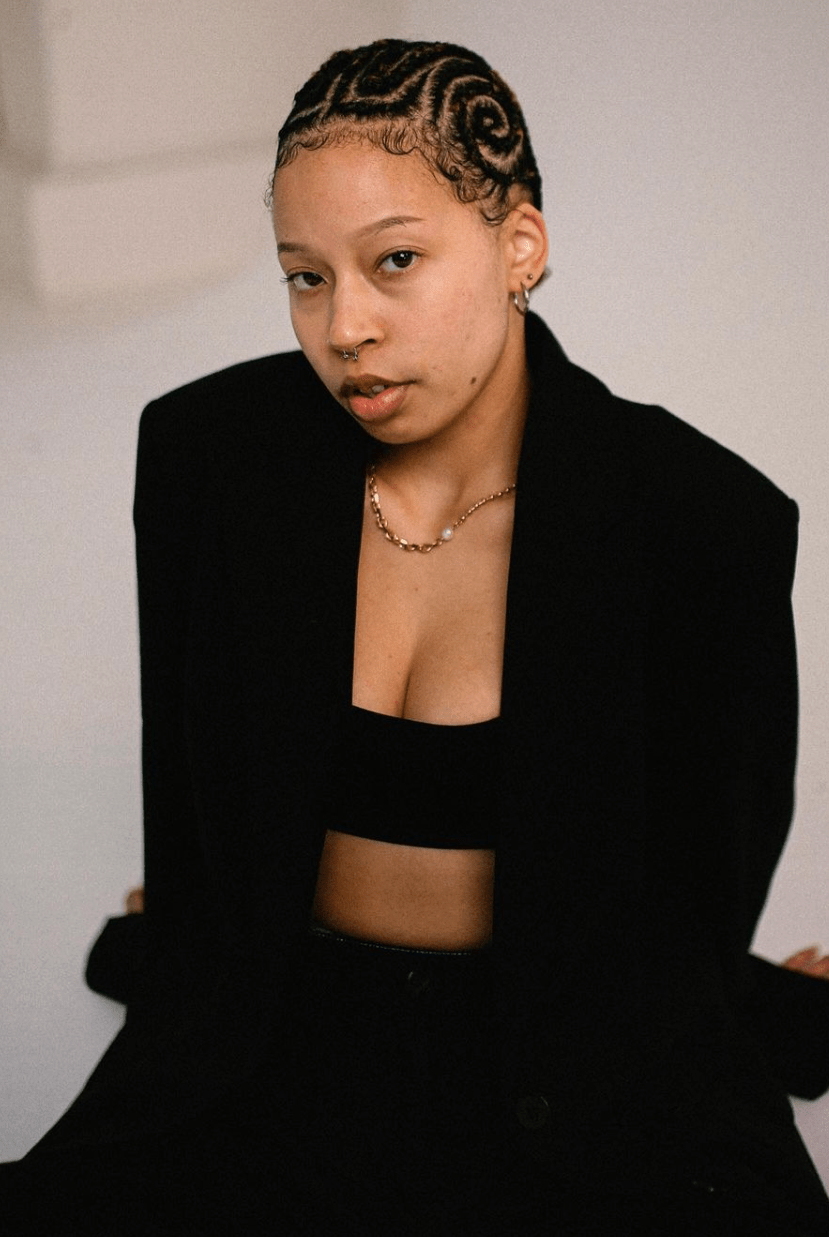
Photographer: @yemioyato @oyato___
How did you become a creative hairstylist? What led you to start your own business?
Leia Wasike: Getting into creative hairstyling kinda came randomly, I didn’t seek out it, it just kind of happened. To begin I was just doing people’s hair in my house. Once I started sixth form I met a lot of South London creatives and one of them took me to LFW and I was like “Oh shit this is really cool”. The fashion industry is really broad and wide however diversity was lacking immensely, most black girls we saw had shaved heads and there wasn’t much diversity in texture and length. I wanted to see more diverse black people. From there, models, photographers and other creatives started becoming my normal circle. Black models would often tell me the same rhetoric that whenever they go to shows or shoots there’s never anyone who knows how to style their hair, I’ve heard so many bad stories where models feel like they were extras or like they weren’t supposed to be there because no one had prepared for they to be as catered for as their white counterparts. This kind of fueled me to get into the fashion industry with my skills to change that and explore hair in a different way. I really just love the process of doing hair and seeing something come to life. I see it as painting or sculpting. I think different hairstyles can change your mood just like the colours in painting can.
It’s no secret Black hair is constantly being policed and discriminated against all over the world, is this something you’ve experienced in your work/life?
Leia Wasike: It was during sixth form, it was a majority black school so there was a mix of black people with all different textures and lengths of hair, however, the teachers were majority white so the policing of black kids was mad. I had cornrows at the front of my head with two bobble pigtails in the back, it was all black. I walked in and was told it was inappropriate, I asked what about the style was inappropriate and she said she didn’t want the younger kids at the school to think it’s a new trend, I was like “What? I just have cornrows in my hair”. It didn’t make any sense, I was so flabbergasted that I had no comeback, no fight. I told a friend what happened and she was so livid, so annoyed. She ended up calling the teacher out during the Black History Month assembly and got in trouble. Someone had to do it. I didn’t really register it as police at the time, I was just so confused as to why something like that wouldn’t be allowed.
We ourselves tend to police our hair before others get the chance to. I’ve had people choose certain styles because they look more “professional”.
Expression through hairstyles is at the core of your brand, how do you personally like to express yourself through your hair?
Leia Wasike: The feeling is a major foundation of my brand as well as seeking inspiration everywhere. Like most creatives, Pinterest is my best friend just to see the ways hair can look. Historically as well I love looking at traditional African hairstyles, that was such a big part of why I started getting into hair. It was a core part of my childhood, like most black girls, getting our hair done was kind of like a spiritual experience, maybe that’s dramatic but it’s such a memorable process we all experienced. Sometimes I see a style and even if I wouldn’t wear it personally I still like to learn the process of how to create it. One of my favourite styles is Bantu knots because I love the process, I love the way it shapes the head and brings out your facial features. I love locs, they’re probably the best version of natural hair we have, They hold time on your head and I feel like that’s amazing. I’m also interested in hair structures and I haven’t been able to explore them as much as i want to. Someone who plays a lot with hair structures in Solange, whenever you see her perform the visuals she creates with her hair are amazing.
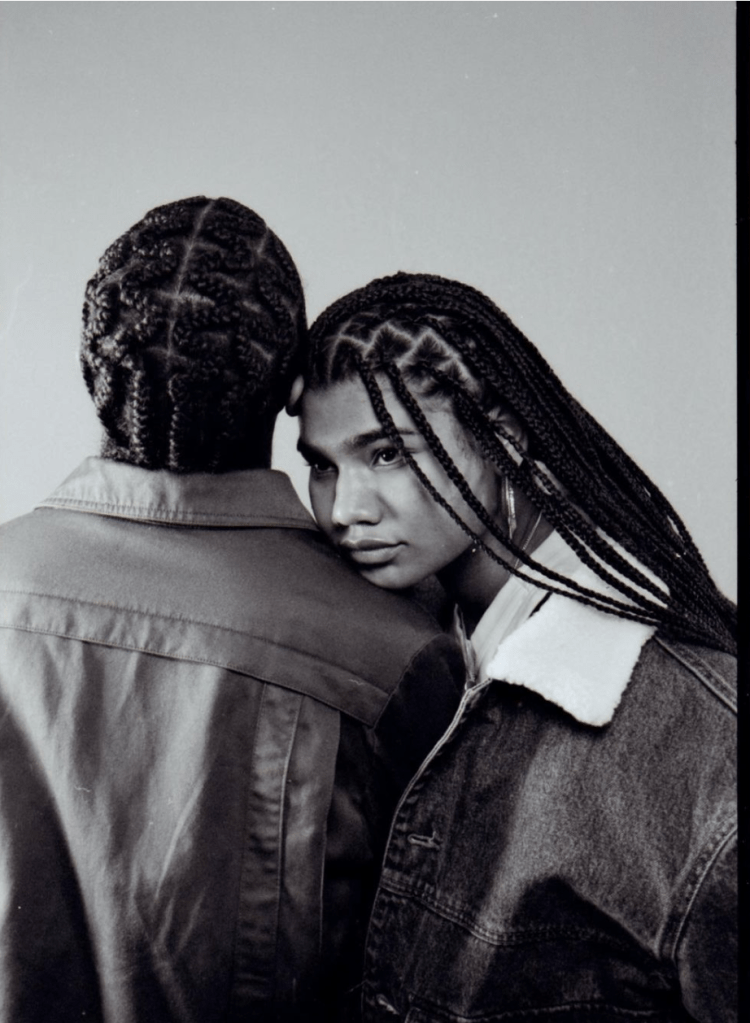
Photographer: @saiintarchive
You mentioned the experience of getting your hair done as a child, do you have specific memories of getting your hair done, either positive or negative?
Leia Wasike: The memories that come to mind first are the bad ones, as nice as it is getting your hair done as a little girl a lot of it was painful and sometimes traumatic depending on who was doing your hair. My favourite memories were of my mum doing my hair because she definitely cared for it the most, whereas going to aunties was definitely just trauma. It was very much a time for me and my mum to bond. As a child and even now my mum is very busy, her day would be going to work, coming home and sleeping then doing the same thing the next day so that was our time to be together in the same room. Even if we weren’t talking it was just time to be present. There was power in me picking a style and her saying “Yeah I’ll do my best”, putting beads in. The first time my mum put beads in my hair it just made me so happy, like in awe. That’s got to be the top 10 childhood messages. The traumatic ones were mostly aunties who only cared about the end product of my hair and just getting it done. My actual auntie, I remember being in France and staying with her for some time, every two weeks she’d call us into the kitchen and grease our scalps, my aunty is a lot more talkative than my mum is so we’d have quite long conversations. It was really beautiful to feel cared for in such an intimate way.
Your work has been featured in quite a few campaigns including ones for Thick Slick and Janine Ngesang, what has been your favourite collaboration so far? And who do you wish to work with next?
Leia Wasike: What I want for next year is for brands to start approaching me, none in particular because what’s been happening so far is a models has hired me for their hair before going to a shoot rather than brands coming to me. I’m blessed to have such a cool circle where people just choose to message me in the first place but I’d like a brand to acknowledge me and call me for jobs. My favourite job I’ve done so far was for Thick Slick, the girl called me and basically said “Leia do what you want” I had complete creative autonomy over the hair styling. I like it when creative directors or photographers let me do my own thing. The experience was so fun, the team on the project were really cool, I work with them quite often. It’s really fun to work with people you already like and have good energy on set. Sometimes the team will be talented but no one talks or connects when the process is fun the work comes out better. That was really fun and it came out really good.
What tips would you give to hairstylists hoping to break into the industry?
Leia Wasike: Create as much content as possible because the way people found me at the beginning was through what I posted. Instagram is such a great tool and even if you feel insecure about your skills starting out or just trying to find an aesthetic, keep posting until it comes to you. Also if you’re posting more it means you’re practising more which means your skills are bound to improve. Collaborate with as many people as possible as well but make sure that you don’t get exploited. That’s a message to all creatives. Don’t do too many jobs for free. Once you’ve built up your portfolio you can start asking what people’s budgets are before planning a service. Unless you feel really inclined to do a job for free, know your worth. I’m in a place right now where my portfolio is good but finding jobs that pay enough is becoming difficult as a lot of people want you to work but not a lot of people want to pay.
What general black hair care tips would give us for looking after our hair?
Leia Wasike: Put your protective styles in now, having your natural hair out is fun but in this weather, it can easily get dried out. I think a lot of people have this misconception that oil moistures your hair and it doesn’t. You have to hydrate your hair with water first, then apply your cream and lock it all in with oil. Make sure you love her and make sure that she knows you love her because sometimes we get angry at our hair and still expect it to be what we want.

Photographer: @yemioyato @oyato___
 What Caitlin Says
Leave a comment